
Every culture has its own way of showing who they are. One of the most colorful and exciting ways to see this is through traditional clothing. Whether it’s a bright kimono or a twirling flamenco dress, clothes can speak volumes about a person’s heritage.
TLDR: Traditional clothing is more than fashion—it tells us about a culture’s values, history, and way of life. It’s worn during special times, passed down through families, and unique to each community. From patterns to fabrics, every detail holds meaning. Come along and discover what different outfits can say about people all over the world!
What Is Traditional Dress?
Traditional dress is special clothing that represents a group of people. It’s often worn during celebrations, festivals, religious events, or important life moments like weddings.
These outfits are full of details that carry meaning. They are often influenced by:
- The weather and environment of the region
- Local materials and fabrics
- Religion and spiritual beliefs
- Customs and ceremonies
These clothes show how a culture sees beauty, honor, gender roles, and identity.
Why Traditional Dress Matters
Traditional clothing is more than just something to wear. It connects people to their past and tells others where they come from. It’s a living art form that says, “This is who I am.”
Here’s why it’s important:
- Celebrates heritage: It honors the past and keeps history alive.
- Brings people together: During festivals or weddings, everyone dresses up and shares in tradition. As communities find new ways to celebrate shared identity, they can try out this hoodie design maker to transform traditional elements into designs everyone can wear with pride.
- Teaches younger generations: It helps kids learn about their roots in a fun, hands-on way.
- Makes people feel proud: Wearing traditional clothes can be a bold way of showing pride in one’s identity.
Outfits Around the World
Let’s take a fashion trip around the globe and look at some stunning traditional outfits, each telling its own story!
1. Japan – Kimono
The kimono is a long robe with wide sleeves, often covered in detailed patterns. It is worn with a wide belt called an obi.
Kimonos change with the seasons and the occasion. For example, a cherry blossom pattern is worn in spring!

2. India – Sari
In India, many women wear the sari, a long strip of colorful cloth wrapped around the body. It’s elegant and full of grace.
Saris can be made of cotton, silk, or chiffon, and they come in thousands of colors and patterns. Every part of India has its own style of wearing it!
3. Scotland – Kilt
The famous kilt is a knee-length skirt worn by men in Scotland. It’s made from wool and has a plaid pattern called a tartan.
Each Scottish clan has its own tartan design, kind of like a family crest. Kilts are often worn at weddings, parades, or when playing bagpipes.
4. Nigeria – Agbada and Gele
In West Africa, traditional clothing is bold and bright. In Nigeria, men may wear agbada, a wide-sleeved gown, often embroidered with gold thread.
Women wear beautiful dresses with matching gele—a large, dramatic headwrap that turns heads!
5. Mexico – Huipil and Charro Suit
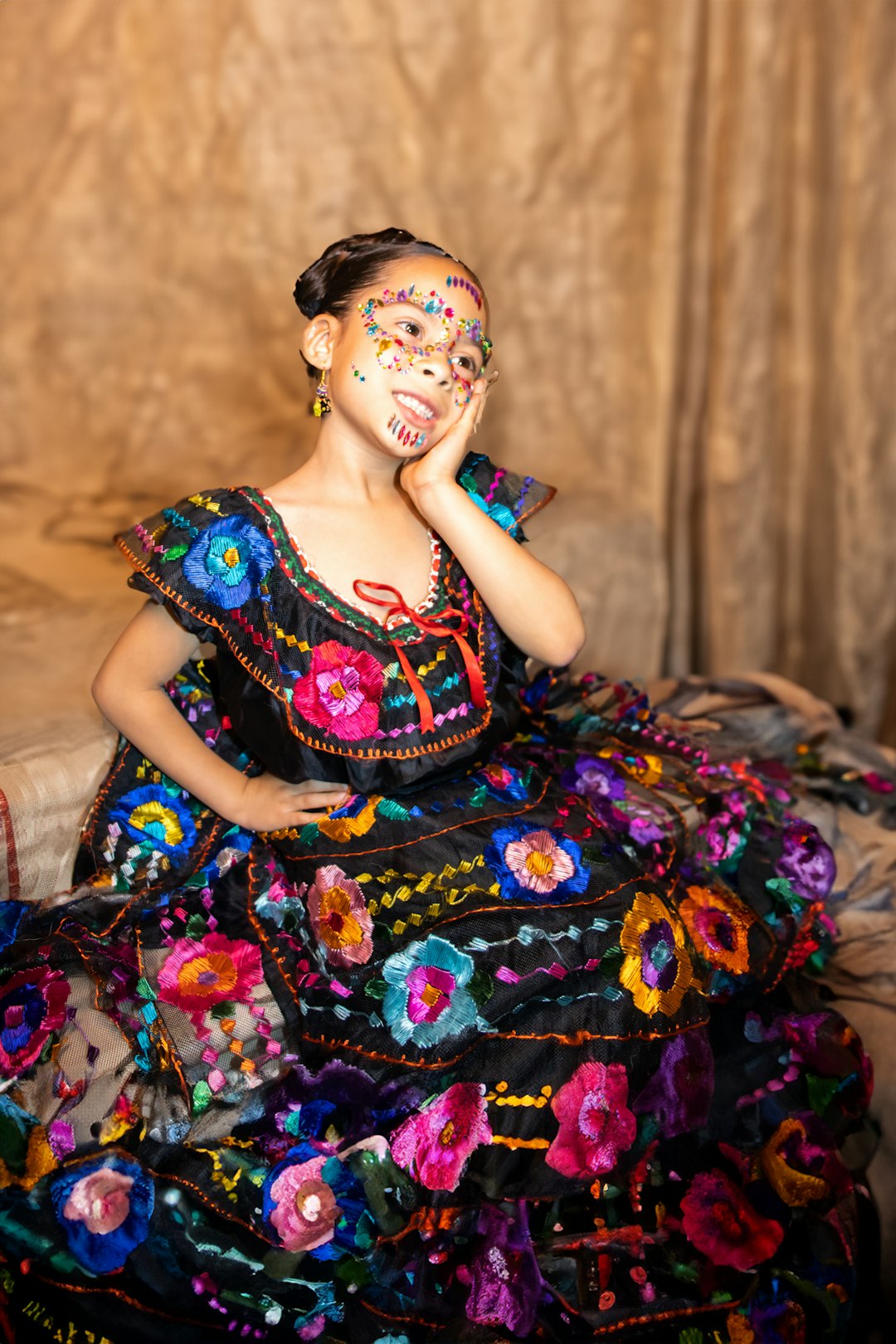
Huipils are handmade blouses worn by Indigenous women in Mexico. They’re decorated with colorful stitching that represents their village or tribe.
For men, the charro suit is worn during cowboy-like celebrations. It includes a fitted jacket and wide-brimmed hat.
Symbols in the Threads
Traditional clothing is full of secret messages. People might not say anything out loud, but the outfit speaks for them. Here are some meanings held in traditional dress:
- Patterns: Can show age, marital status, or hometown.
- Colors: Red might mean joy or marriage, while white could stand for peace or mourning, depending on the culture.
- Accessories: Necklaces, hats, and belts all add information about status or beliefs.
In places like Guatemala and Peru, people can tell what village someone is from just by the designs on their clothes. That’s like wearing your address!
Modern Takes on Ancient Looks
Today, many designers mix tradition with modern fashion. They use old styles in new ways. This isn’t just trendy—it helps keep traditions alive!
In cities around the world, runway models wear clothing inspired by Indigenous and cultural designs. It’s a powerful way to say that tradition is still alive in everyday life.
When Tradition Meets Identity
For many people around the world, putting on traditional clothing isn’t just about looking good—it’s about feeling good. It’s a connection to their family, their ancestors, and their homeland.
Imagine walking into a wedding or festival and seeing everyone in colorful, meaningful clothes. It’s like stepping into a storybook full of history!
In fact, many people who move to new countries or live far from home love to wear their cultural clothes to feel close to where they came from. Even small details—like a patterned scarf or a beaded bracelet—can bring comfort and pride.
Tips for Enjoying Traditional Dress Respectfully
Want to explore and celebrate clothing from other cultures? That’s great! But here are a few easy ways to do it respectfully:
- Learn the meaning: Before you wear something traditional, ask about its history and symbolism.
- Don’t copy blindly: Avoid wearing sacred or ceremonial outfits unless invited.
- Support local artisans: Buy from people who belong to the culture, so your purchase helps support their craft.
- Appreciate, don’t appropriate: Show admiration, not imitation. Celebrate the culture while giving proper credit.
Being curious is awesome, and showing respect makes the experience even better.
Final Threads
Traditional dress is not just old-fashioned clothing. It’s a powerful expression of who people are. It bridges the past and present, weaves stories into the fabric, and celebrates the beauty of culture.
Next time you see someone in traditional dress, take a closer look. There’s a story spinning through every stitch.
And who knows? You might even find a piece of your own identity in the fabric too.