


In an increasingly digital world, the humble business card remains a powerful symbol of professionalism and personal branding. Far from being outdated, modern business cards have evolved into highly customizable, design-forward marketing tools that help professionals stand out in competitive industries. Thanks to advanced printing technology and online design platforms, creating premium, uniquely tailored cards is easier and more accessible than ever.
TLDR: Modern business card makers now offer highly customizable layouts, premium materials, and advanced printing techniques that transform traditional cards into powerful branding tools. From textured finishes to unique shapes and digital integration, today’s options help businesses stand out in memorable ways. Whether you are a startup founder or a corporate executive, custom-designed cards remain a vital networking asset. High-quality printing and thoughtful design can significantly enhance first impressions.
Today’s business card is not just a rectangle with contact details — it is a miniature brand experience. With sleek customization tools, cutting-edge finishes, and creative layout options, modern printing services empower businesses to communicate their identity in a tangible and impactful format.
The Evolution of Business Card Design
Traditionally, business cards were limited to simple layouts printed on basic cardstock. Standard fonts, minimal design flexibility, and limited color options once defined the industry. However, the rise of digital print technology and online design platforms has revolutionized the possibilities.
Modern business card makers now offer:
- Drag-and-drop design tools with intuitive interfaces
- Fully customizable layouts including front and back printing
- Extensive typography libraries with modern and classic fonts
- Advanced color matching systems for accurate brand consistency
- High-resolution graphics support for logos and photography
These features allow businesses of all sizes to design cards that reflect their brand identity with precision and creativity.
Custom Layouts That Reflect Brand Identity
One of the most transformative innovations in business card printing is the freedom to create completely custom layouts. Rather than selecting from rigid templates, users can modify nearly every aspect of their design.
Custom layouts may include:
- Asymmetrical compositions for a contemporary feel
- Minimalist designs with strategic white space
- Illustration-based cards for creative professionals
- Photo-integrated layouts for realtors and consultants
- QR codes linking directly to websites or portfolios
This flexibility ensures that no two cards need to look the same. A tech startup might opt for a sleek, dark-themed card with sharp sans-serif fonts, while a boutique bakery may choose warm pastel colors with playful script typography.

Design platforms also allow for real-time previews, enabling users to see exactly how their finished card will appear. This reduces uncertainty and ensures satisfaction before printing.
Premium Paper Stocks and Materials
The material of a business card plays a crucial role in how it is perceived. Texture, thickness, and weight all contribute to first impressions. Modern printers now offer an impressive variety of premium materials.
Popular options include:
- Ultra-thick cardstock ranging from 16pt to 32pt
- Cotton or linen blends for a textured, elegant feel
- Recycled paper stocks for eco-conscious brands
- Plastic and PVC cards for durability
- Metal or wood cards for luxury industries
Heavier paper stocks communicate quality and professionalism. A thick matte card conveys durability and confidence, while textured paper adds a tactile experience that recipients naturally associate with sophistication.
Eco-friendly materials, in particular, have grown in popularity. Brands aiming to showcase environmental responsibility can opt for recycled fibers or sustainably sourced paper without compromising on print quality.
Advanced Print Finishes That Make an Impact
Beyond layout and paper selection, premium print options dramatically enhance visual and tactile appeal. These finishes add depth, shine, and contrast that make cards memorable.
Some of the most sought-after finishing options include:
- Spot UV coating to highlight logos or text
- Foil stamping in gold, silver, or holographic tones
- Embossing and debossing for raised or recessed effects
- Matte and soft-touch lamination for a luxurious feel
- Edge painting that adds bold color to card edges
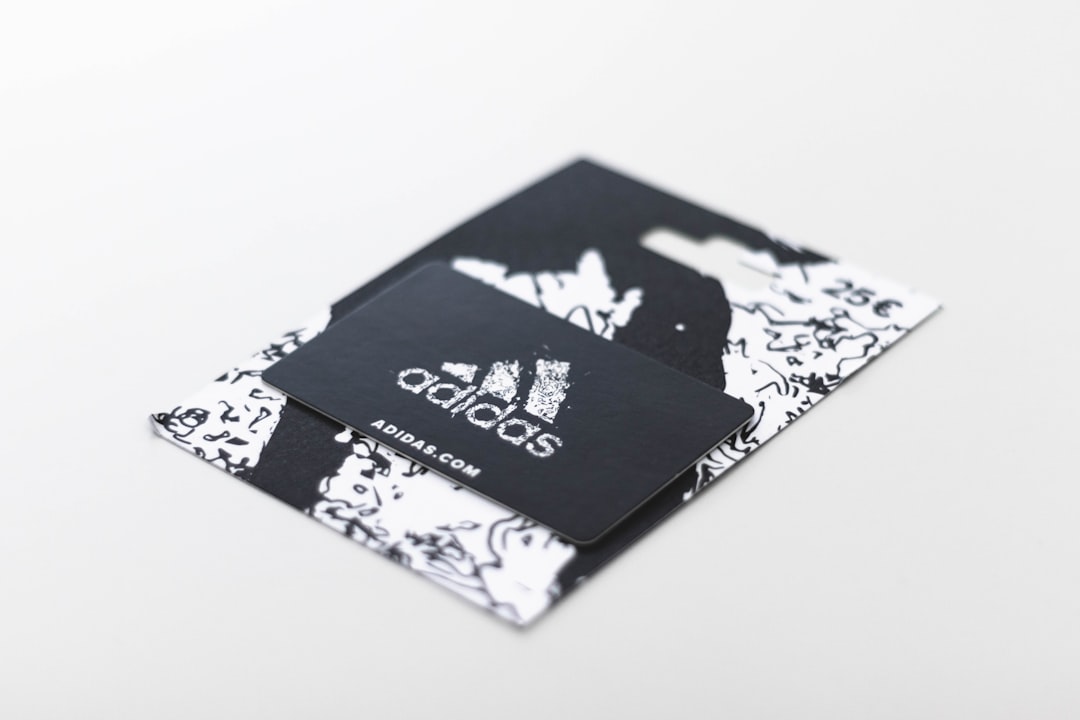
For example, a law firm might choose a deep navy background with subtle gold foil lettering, while a creative agency may opt for vibrant edge painting that mirrors brand colors. These finishing techniques elevate a simple card into a refined branding asset.
Soft-touch lamination is especially popular due to its velvety texture. It creates a memorable tactile sensation that subtly reinforces a sense of quality and care.
Unique Shapes and Die-Cutting
While traditional cards follow a standard rectangular shape, modern die-cutting capabilities enable entirely custom silhouettes. Shape innovation can significantly boost memorability.
Examples of creative die-cut designs include:
- Rounded corners for a softer look
- Circular cards for bold differentiation
- Industry-themed shapes such as cameras or tools
- Folded mini brochures for added information
Die-cut cards work particularly well for creative industries where standing out is essential. The key, however, is balancing creativity with readability and professionalism.
Digital Integration and Smart Features
Modern business cards no longer exist purely in physical form. Integration with digital technology has expanded their functionality.
Smart business cards may include:
- QR codes linking to websites, portfolios, or booking pages
- NFC chips that transfer contact information via tap
- Augmented reality elements for interactive content
This blend of physical and digital enhances networking efficiency. Instead of manually entering contact information, recipients can instantly connect online. For entrepreneurs and sales professionals, this seamless experience can make follow-ups quicker and more effective.
Online Platforms and Accessibility
One reason for the explosion in business card creativity is the accessibility of online platforms. Entrepreneurs no longer need professional design degrees to create polished results.
Modern card makers provide:
- User-friendly editing dashboards
- Pre-designed templates customizable to brand needs
- Cloud-based storage for easy reordering
- Bulk printing discounts for cost efficiency
- Fast shipping options for urgent needs
Small businesses and freelancers benefit greatly from these features. They can experiment with different styles, reorder updated designs, and refine branding without starting from scratch each time.
The Psychology Behind Premium Cards
High-quality business cards influence perception more than many realize. Psychology research on tactile marketing suggests that weight, texture, and visual detail impact how recipients perceive credibility.
A well-designed card can subtly communicate:
- Authority and expertise
- Creativity and innovation
- Attention to detail
- Financial stability
Conversely, flimsy materials or poorly aligned graphics may create doubt about reliability. In high-stakes industries — finance, law, consulting — even minor design details can influence trust.
Choosing the Right Business Card Maker
With many options available, selecting the right printing service requires thoughtful consideration. Key factors include:
- Print quality and color accuracy
- Range of premium finishes
- Customer reviews and testimonials
- Turnaround times
- Design flexibility
Some providers specialize in ultra-luxury finishes, while others excel in affordable bulk orders. Evaluating project goals and budget helps determine the best fit.
The Future of Business Card Printing
Looking ahead, innovation in materials and digital integration will likely continue shaping the industry. Sustainable printing methods, biodegradable materials, and even dynamic e-ink displays may redefine how business cards function.
Despite digital networking platforms dominating professional communication, the physical exchange of a business card remains uniquely impactful. The tactile, face-to-face interaction it accompanies cannot be fully replicated online.
Modern business card makers have transformed what was once a simple stationery item into a powerful branding instrument. With custom layouts, premium print options, innovative materials, and digital integration, professionals can now create cards that truly embody their brand identity.
Ultimately, the right business card does not merely share contact information — it leaves a lasting impression. And in business, impressions matter.