


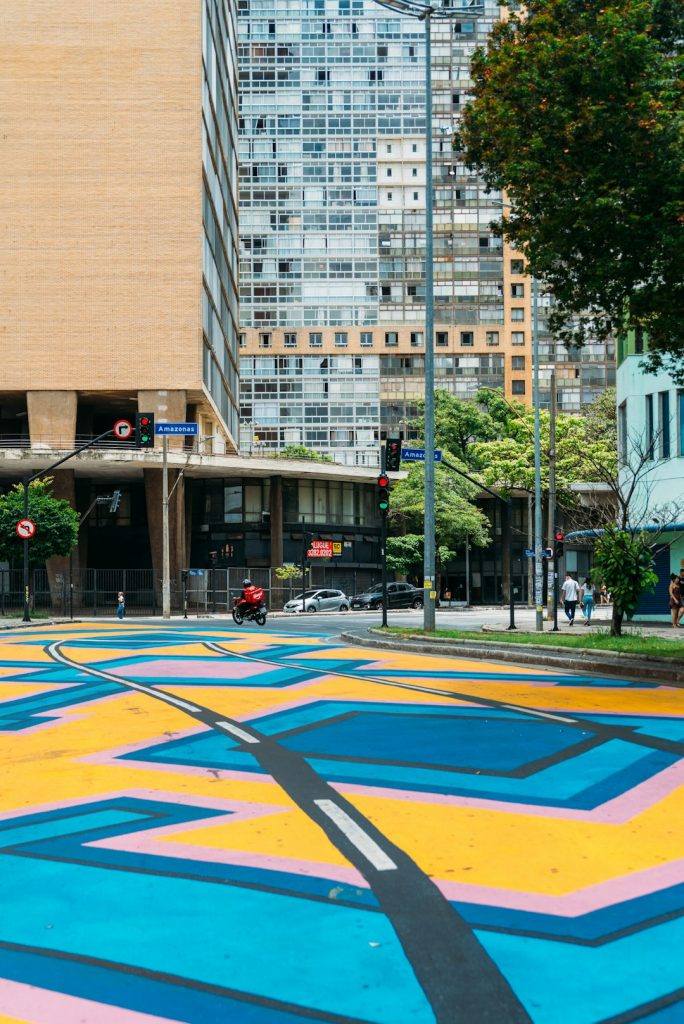
Downtown districts have always been the symbolic heart of cities, reflecting their history, ambitions, and cultural identity. Over the past few decades, many downtowns have struggled with economic decline, suburban flight, and changing retail habits. In response, city planners and community leaders have turned to an unexpected yet powerful tool: public art. From murals and sculptures to interactive installations and performance spaces, public art has emerged as a catalyst for revitalization, breathing new life into urban cores and reshaping how people experience shared spaces.
TLDR: Public art plays a vital role in revitalizing downtown districts by attracting visitors, supporting local economies, and strengthening community identity. It transforms underused spaces into vibrant destinations while making cities more visually engaging and inclusive. When thoughtfully planned, public art can spark economic growth, encourage social interaction, and reflect the unique character of a place.
Understanding public art in the urban context
Public art refers to creative works that are intentionally placed in spaces accessible to everyone. Unlike gallery-based art, these works are embedded in everyday environments such as streets, plazas, building facades, and parks. Public art can be permanent or temporary, functional or purely aesthetic, and created by a single artist or through community collaboration.
What sets public art apart is its accessibility and visibility. It does not require an admission fee or specialized knowledge to enjoy. Anyone passing through downtown can engage with it, whether consciously or subconsciously. This constant exposure allows art to shape the emotional tone of a place, making downtown areas feel welcoming, vibrant, and relevant.

Creating vibrancy and visual identity
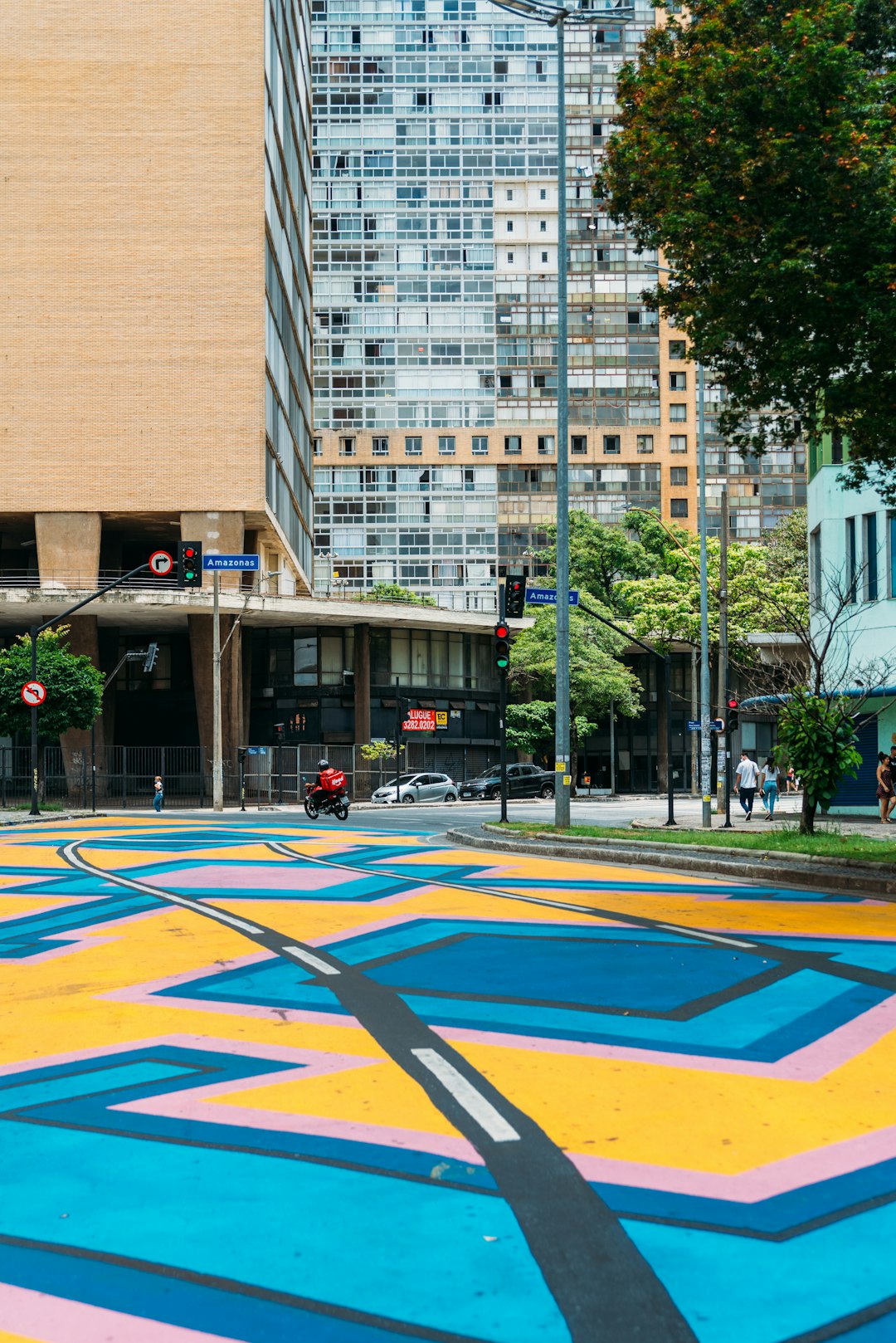
One of the most immediate impacts of public art is its ability to visually transform a space. Blank walls, empty lots, and neglected infrastructure can become landmarks that capture attention and inspire curiosity. Colorful murals can soften harsh urban landscapes, while sculptures and installations introduce moments of surprise and delight.
Over time, these visual elements contribute to a strong downtown identity. Cities known for iconic public artworks often become destinations in their own right. This sense of place is essential in an era when many downtowns compete with uniform shopping centers and online experiences. Art helps downtown districts stand out by expressing what makes a community unique.
Visual vibrancy also fosters pride among residents. When people see their stories, values, and creativity reflected in public spaces, they are more likely to feel connected to their city and invested in its future.
Stimulating economic activity
Public art is not just culturally enriching; it is also economically impactful. Art installations draw foot traffic, encouraging people to explore downtown areas they might otherwise bypass. More pedestrians often translate into increased business for nearby shops, cafes, and restaurants.
Tourism is another key factor. Cities with recognized public art programs or annual art events attract visitors seeking cultural experiences. These visitors spend money on lodging, dining, and local attractions, injecting revenue into the downtown economy.
In addition, public art projects often involve local artists, fabricators, and suppliers, keeping investment within the community. Over time, a thriving arts scene can attract creative professionals and entrepreneurs, reinforcing downtown as a hub of innovation and opportunity.
Encouraging social interaction and community connection
Downtown revitalization is not solely about buildings and businesses; it is also about people. Public art creates shared experiences that encourage social interaction and dialogue. A striking sculpture or interactive installation can become a meeting point, a photo opportunity, or a conversation starter among strangers.
Community-based art projects take this a step further by involving residents in the creation process. Murals designed with neighborhood input or installations built through workshops help participants feel a sense of ownership over their environment. This collaborative approach strengthens social ties and builds trust between citizens and local institutions.

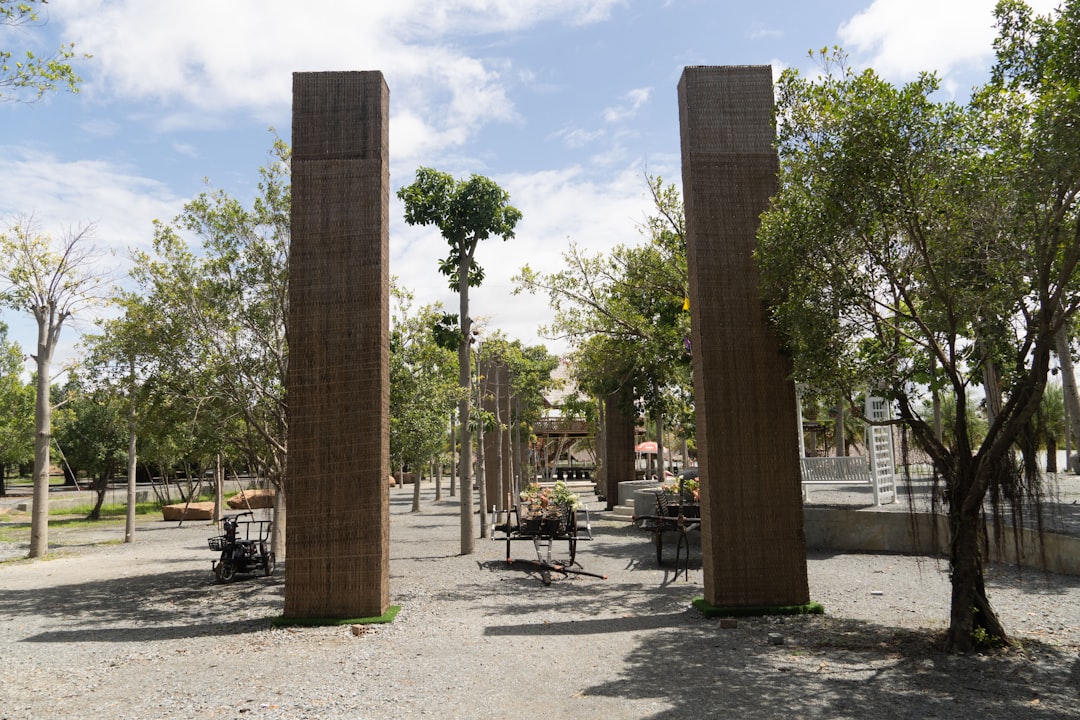
By fostering inclusivity, public art can also give voice to groups that have historically been underrepresented in urban planning. Art can acknowledge diverse histories and perspectives, making downtown spaces feel more equitable and welcoming.
Reimagining underused and transitional spaces
Many downtown districts contain underutilized areas such as vacant storefronts, alleyways, and former industrial sites. Public art offers a flexible and cost-effective way to activate these spaces. Temporary installations, pop-up exhibitions, and performance art can test new uses without requiring major infrastructure changes.
This approach is particularly valuable during periods of transition, such as redevelopment projects or economic downturns. Art can maintain public interest and engagement while long-term plans are underway. In some cases, successful art interventions lead to permanent improvements, as increased foot traffic and visibility attract private investment.
Transforming overlooked spaces into places of creativity sends a powerful message: downtown is evolving, and everyone is invited to be part of that evolution.
Supporting cultural storytelling and local history
Public art serves as a visual narrative of a city’s past, present, and aspirations. Murals depicting historical figures, indigenous heritage, or pivotal local events help preserve collective memory. At the same time, contemporary works can address current social issues or imagine future possibilities.
When integrated thoughtfully, art becomes a form of storytelling embedded in the urban landscape. Residents and visitors alike can learn about the city simply by walking through it. This layered narrative enriches the downtown experience and deepens appreciation for its cultural complexity.
Challenges and thoughtful implementation
While the benefits of public art are significant, successful revitalization requires careful planning. Poorly chosen or imposed artworks can feel disconnected from their surroundings and fail to resonate with the community. Maintenance is another consideration, as neglected art can have the opposite of its intended effect.
To maximize impact, cities should:
- Engage local artists and community members early in the process
- Align art initiatives with broader urban development goals
- Ensure long-term funding for upkeep and programming
- Encourage diversity in artistic styles and voices
A strategic and inclusive approach helps ensure that public art remains a living asset rather than a static decoration.
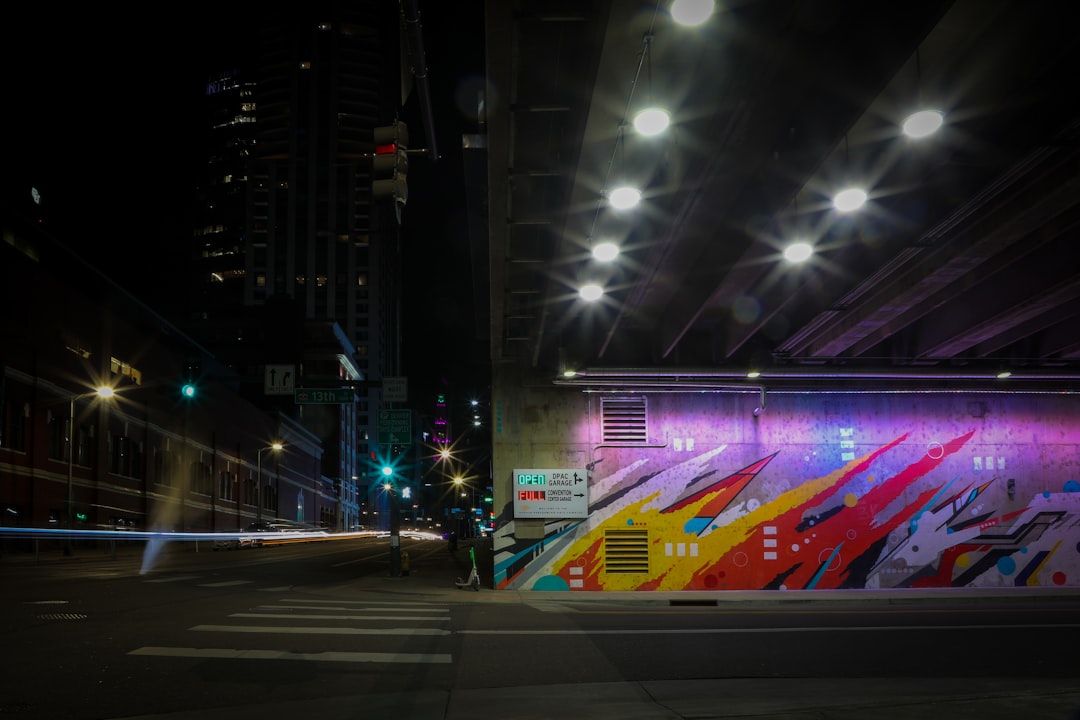
Looking ahead: public art as a long-term investment
As cities continue to adapt to economic, technological, and social change, public art will remain a valuable tool for downtown revitalization. Its strength lies in its ability to connect people to place, stimulate activity, and express shared values in a tangible way.
Rather than viewing public art as an optional enhancement, forward-thinking cities treat it as essential infrastructure for cultural and economic resilience. When art is woven into the fabric of downtown life, it does more than beautify; it transforms districts into dynamic environments where people want to live, work, and gather. In this sense, public art is not just a reflection of revitalization—it is one of its most powerful drivers.