


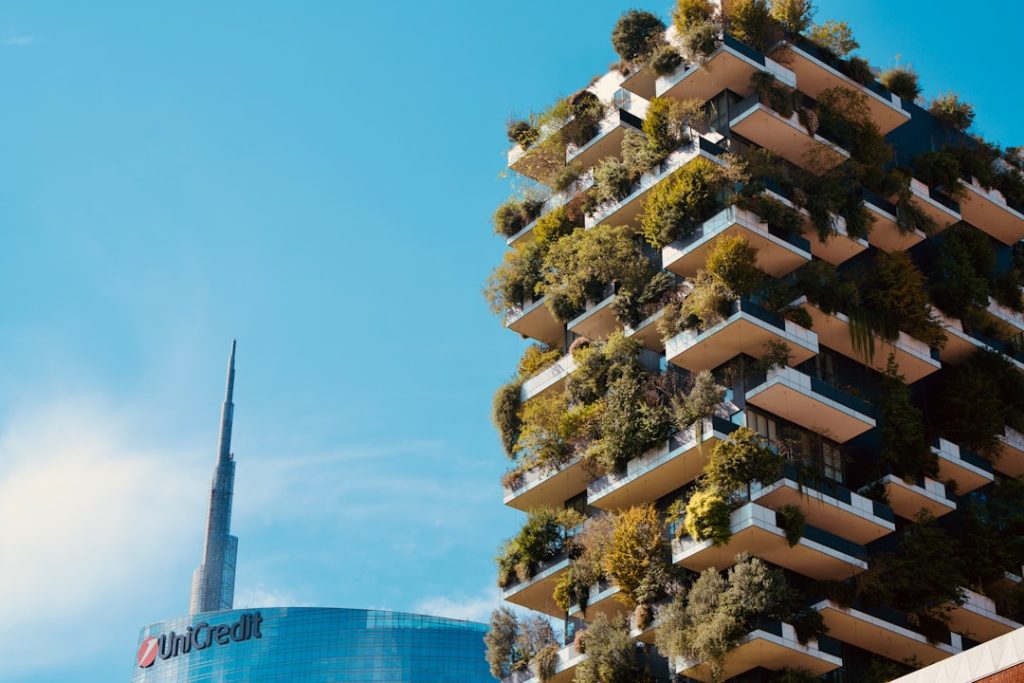
As cities grow denser and living spaces become more compact, urban dwellers are reimagining how and where greenery can thrive. From balconies and rooftops to windowsills and shared courtyards, gardening is no longer confined to sprawling backyards. Instead, it has evolved into a creative, highly adaptive practice that blends design, sustainability, and everyday wellness.
TLDR: Urban gardening is transforming small city spaces into productive and beautiful green areas through vertical layouts, container planting, and smart technology. Designers are embracing multifunctional landscapes that blend aesthetics with food production and ecological benefits. Sustainability, community involvement, and personal well being are major drivers behind these trends. Even the smallest space can now support a thriving garden with the right approach.
Why Urban Gardening Is Booming
Several global shifts are fueling the rise of urban gardening. Rapid urbanization means fewer people have access to traditional garden plots, while lifestyle changes have increased interest in healthier, more sustainable living. Gardening provides a tangible way to reconnect with nature, even in high-rise apartments.
There is also a growing awareness of environmental issues. Urban gardens help reduce heat island effects, improve air quality, and support local biodiversity. For many city residents, tending plants offers mental health benefits, acting as a calming counterbalance to fast paced urban life.
Vertical Gardening: Growing Up Instead of Out
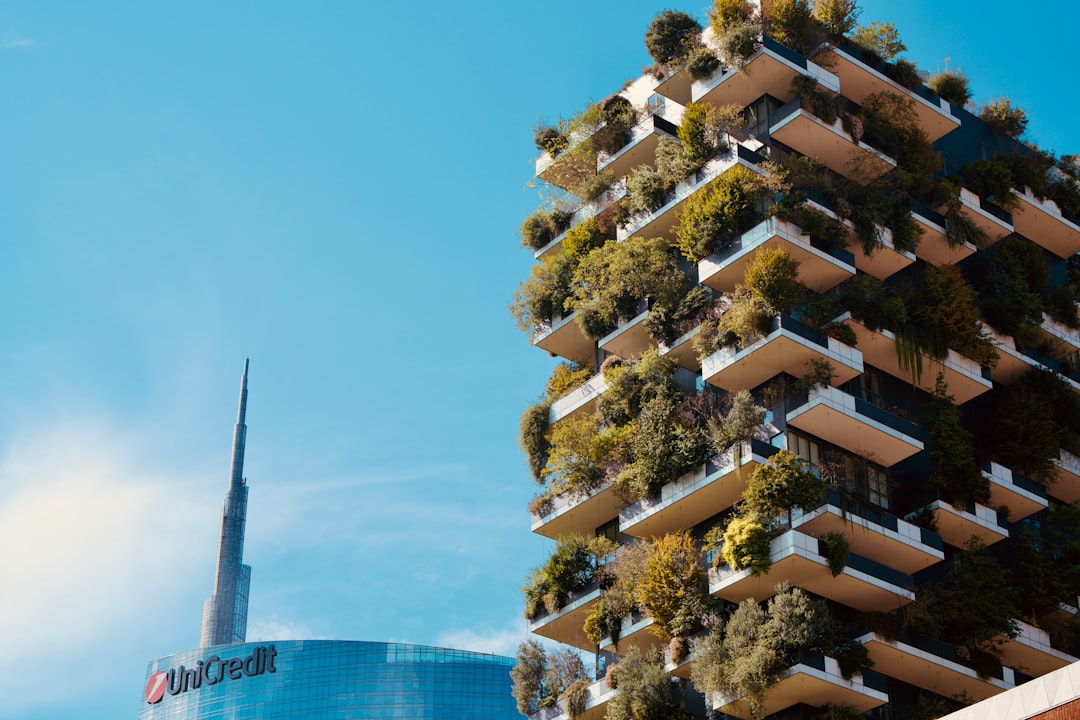
One of the strongest trends in small-space landscape design is vertical gardening. By using walls, fences, and freestanding structures, gardeners can dramatically increase growing area without sacrificing floor space. This approach is particularly popular in apartments and townhouses where outdoor square footage is limited.
Vertical gardens range from simple wall mounted planters to elaborate living walls with integrated irrigation. Herbs, leafy greens, and even strawberries thrive in these setups when given adequate light. Beyond productivity, vertical gardens add a striking visual element, turning blank walls into living art.

- Modular wall systems that can be expanded over time
- Trellises and climbing plants like beans and jasmine
- Hanging pockets ideal for herbs and small flowers
Container Gardening Gets Stylish
Containers are the foundation of urban gardening, and their design has evolved far beyond basic clay pots. Today’s containers are lightweight, space efficient, and often multifunctional. Many include built in water reservoirs or are designed to fit snugly along railings and ledges.
Materials are also getting attention. Recycled plastics, fabric grow bags, and sustainably sourced wood are increasingly popular, reflecting a desire to reduce environmental impact. Color coordination and matching sets allow containers to function as part of the overall landscape design rather than appearing as an afterthought.
Edible Landscapes in Small Spaces
Another notable trend is the blending of ornamental and edible plants. Instead of separating vegetable gardens from decorative areas, urban gardeners are mixing them together. Kale, chard, peppers, and herbs offer vibrant colors and textures that rival traditional ornamentals.
This approach, often called edible landscaping, maximizes utility while maintaining aesthetic appeal. In small spaces, every plant needs to earn its place, and edible varieties provide both visual interest and fresh produce.
Image not found in postmeta- Dwarf fruit trees suited for pots
- Compact tomato and pepper varieties
- Herbs that double as ground cover or edging
Smart Technology Meets Gardening
Technology is playing an increasingly important role in urban gardening. Smart irrigation systems, moisture sensors, and app controlled grow lights help gardeners maintain healthy plants with minimal guesswork. This is especially helpful for beginners or busy professionals who may not have time for daily care routines.
Indoor gardening systems with built in LEDs allow year round growing, regardless of climate or sunlight availability. These systems are commonly used for herbs and leafy greens and are becoming more affordable and design friendly, blending seamlessly into modern interiors.
Rooftop and Balcony Design Trends
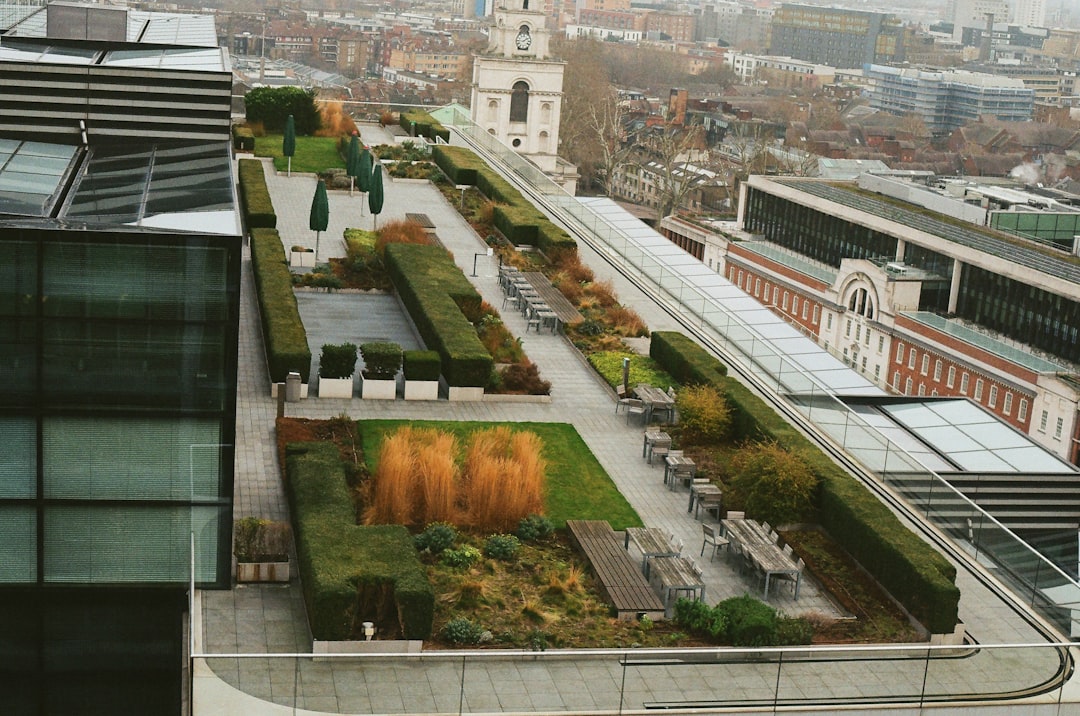
Rooftops and balconies are being transformed into functional outdoor rooms. Landscape designers are focusing on comfort as much as planting, incorporating seating, shade structures, and privacy screens alongside greenery. The result is a cohesive space that feels like an extension of the home.
Wind tolerant plants, lightweight soil mixes, and proper drainage are key considerations in these elevated gardens. Designers often use raised planters and built in benches to define zones and make the most of limited square footage.

Community and Shared Urban Gardens
Not all urban gardening happens in private spaces. Community gardens are gaining renewed popularity as cities recognize their social and ecological value. These shared spaces allow residents to grow food, exchange knowledge, and build relationships across cultural and generational lines.
Many modern community gardens include thoughtful landscape design elements such as accessible raised beds, composting stations, and pollinator friendly plantings. They serve not only as food sources but also as educational hubs and neighborhood gathering points.
Sustainability at the Core
Sustainability is a unifying theme across all urban gardening trends. Water conservation techniques like drip irrigation and rainwater collection are widely adopted. Composting kitchen scraps to create nutrient rich soil reduces waste while improving plant health.
Plant choice also reflects sustainable priorities. Native and drought tolerant species require less maintenance and support local ecosystems. In small spaces, these resilient plants are especially valuable, as they thrive with fewer resources.
The Future of Small-Space Landscape Design
Looking ahead, urban gardening is likely to become even more integrated into architecture and city planning. Green facades, rooftop farms, and indoor growing spaces are already being incorporated into new developments. As technology advances, managing these systems will become easier and more efficient.
Ultimately, the trend points toward a future where greenery is not a luxury but an essential component of urban life. No matter how small the space, thoughtful design and innovative approaches make it possible to cultivate beauty, food, and a deeper connection to nature right at home.