
In recent years, the concept of Tumbons has garnered increasing attention as both a cultural revival and a contemporary lifestyle statement. Historically rooted in Thai administrative traditions, the term “Tumbon” refers to a subdistrict. Yet, in the context of modern design and lifestyle, it has evolved to represent something more—a harmonious intersection of locality, sustainability, and mindful living. This article explores the meaning of Tumbons in modern life and traces the design evolution that reflects its values.
TLDR
Too long, didn’t read: The modern interpretation of Tumbons blends cultural heritage with contemporary lifestyle trends, emphasizing community, sustainability, and thoughtful design. These values manifest in architectural elements, community structures, and daily living practices. By revisiting this traditional idea, designers and urban planners are innovating spaces that enhance both function and cultural identity. The evolution illustrates a path toward balanced, meaningful modern living rooted in local wisdom.
The Origin and Fundamental Meaning of Tumbons
The word Tumbon (ตำบล) originates from the Thai administrative system, referring to a subdistrict typically comprising several villages. Over generations, the tumbon became a vital unit for local governance, problem-solving, and communal identity.
In a broader cultural context, Tumbons functioned as more than bureaucratic zones—they were places where people shared resources, traditions, and responsibilities. Likewise, the physical environment of a tumbon—its layout, homes, temples, and communal spaces—was intimately connected to the rhythms of daily life. In today’s increasingly digitized and decentralized world, this older model of community organization has found new relevance.
Tumbons as a Modern Lifestyle
Modern lifestyle movements have begun to reincorporate the principles of the Tumbon into urban and rural living. As people seek alternatives to mass-produced, impersonal housing and overstimulating city life, the Tumbon offers a blueprint for a more community-focused, sustainable lifestyle. This reinterpretation centers around the following core values:
- Local Integration: Emphasizing the importance of sourcing materials, food, and design inspiration from local surroundings.
- Community Synergy: Encouraging shared spaces, cooperative initiatives, and stronger neighbor-to-neighbor relations.
- Mindful Living: Adopting a slower pace and more intentional approaches to consumption, recreation, and socialization.
- Cultural Inheritance: Preserving customs, craftsmanship, and vernacular architecture while integrating modern needs.
These characteristics appeal especially to younger generations disillusioned with hyper-commercial and disconnected urban living. Importantly, the Tumbon lifestyle stands neither in opposition to technology nor modernity—but instead complements them within a framework anchored in human scale and ecological awareness.
Design Evolution: From Vernacular to Visionary
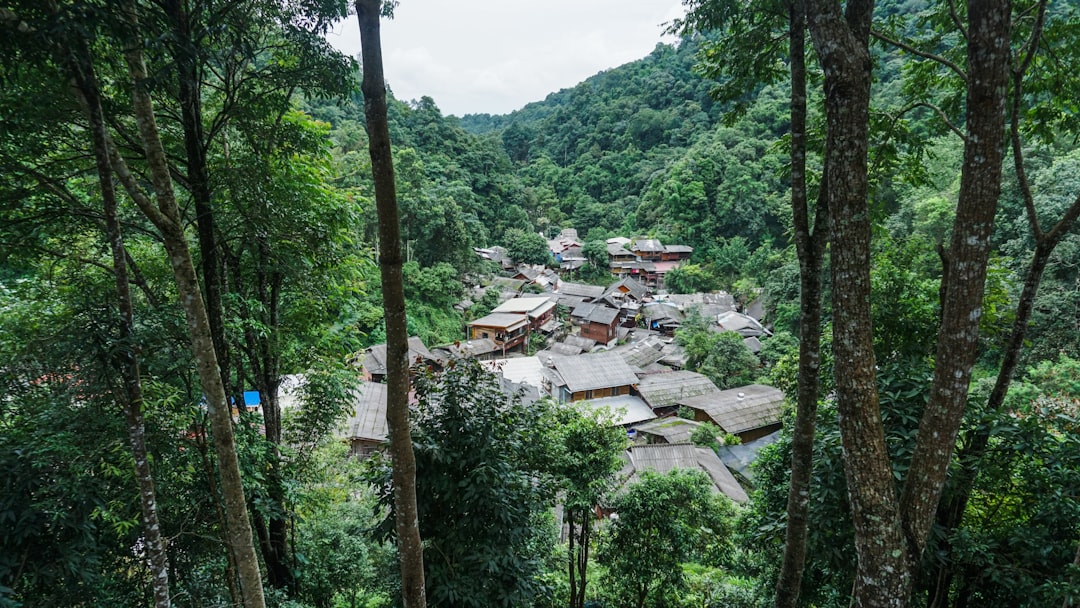
Design plays a critical role in translating the Tumbon ethos into physical reality. Traditional Tumbon environments featured bamboo houses, communal rice barns, water buffalo pens, and open-air markets. These elements were functional, locally sourced, and integrated seamlessly with the rhythm of life and the climate. Modern Tumbon-inspired design maintains this essence while upgrading materials, function, and aesthetics for current needs.
Stage 1: Preservation and Restoration
Early stages of the movement centered on preserving historical Tumbons. Preservation architects focused on restoring traditional wooden homes, temples, and irrigation systems. These projects not only protected cultural heritage but provided raw inspiration for contemporary reinterpretations.
Stage 2: Modern Vernacular
Designers began combining traditional materials and layouts with modern technologies. Homes were built using clay, bamboo, and teak but incorporated solar roofing, greywater systems, and modular layouts suitable for changing family structures. These homes often look “old-world” on the outside but are fully functional and intelligent within.
Stage 3: Concept Villages
Concept villages emerged where entire communities are built with the Tumbon ideology as a guiding principle. Examples in Chiang Mai and Northeastern Thailand demonstrate complete neighborhoods designed to facilitate walking, local commerce, education, and communal farming. These aren’t historical re-enactments but functional future-first living spaces.
Image not found in postmetaCase Studies of Modern Tumbon-Inspired Projects
Baan Rabiang Pa – Northern Thailand
This hill-side community reimagines the traditional Tumbon structure for modern mountain living. Wooden homes are elevated on stilts, taking cues from vernacular architecture, yet each one is outfitted with rainwater harvesting, energy-efficient lighting, and community gathering kitchens.
Sukjai Ecoscape – Peri-Urban Bangkok
Combining city convenience with Tumbon philosophy, this planned ecological community integrates workspaces, yoga centers, and zero-waste shops into a walkable village format. The perimeter of the village features shared gardens and canals once common to ancient Tumbons.
Khao Noi Creative Cluster
Developed as part of a government-academic collaboration, this area merges artist dwellings with agriculture-focused initiatives. The creative infrastructure mimics the communal temples and performance spaces common in traditional Tumbons, but with state-of-the-art acoustics and materials.
Sustainability in the Tumbon Context
The renewed interest in Tumbon living aligns naturally with sustainability goals. Traditional Tumbons were inherently low-impact. They emphasized:
- Bioclimatic Architecture: Structures designed to reduce reliance on artificial cooling or heating systems.
- Closed-Loop Economies: Communities thrived on interdependence, bartering, and minimal waste production.
- Intergenerational Living: Homes were multipurpose and adjustable as familial needs evolved, reducing the need for resource-intensive expansions.
By building on this past, modern designers avoid the mistakes of hyper-extractive development. Developers committed to new Tumbon-inspired projects typically collaborate with local ecologists, artisans, and historians during the design process.
Aesthetic Language of the Modern Tumbon
A key appeal of the Tumbon aesthetic is its ability to evoke a sense of rootedness and emotional connectivity. Materials are tactile—hand-hewn wood, terracotta tiling, woven textiles. Color palettes draw from earth tones and the seasonal hues of nature’s cycles.
In landscape architecture, gardens are not merely ornamental but functional, providing herbs, fruits, and communal planting experiences. Pathways curve gently rather than run straight, echoing ancient walking routes. Decorative elements often borrow motifs from Buddhist mythology or rural folklore.
Technology Meets Tradition
Despite its rustic appearance in some instances, the contemporary Tumbon is tech-friendly. Smart irrigation, solar fibers, and app-connected community governance are increasingly common features. The goal is not to resist innovation but to humanize it—making technology serve daily life rather than dominate it.
For example, shared servers store agricultural and weather data for community growers. Homes may feature automated systems for elderly residents, while children interact with educational tools embedded in communal learning centers.
Challenges and Future Prospects
While inspiring, the Tumbon design philosophy faces significant challenges:
- Urban Pressure: Land availability and urban sprawl make traditional layouts difficult to scale.
- Policy Barriers: Zoning laws often clash with mixed-use or communal land arrangements.
- Market Forces: Developers and investors may prioritize profit over cultural and environmental integrity.
Nonetheless, awareness is growing, and a new wave of designers and planners are beginning to consider these elements crucial rather than decorative. Government initiatives and educational programs are also starting to embrace the Tumbon approach as a model for sustainable regional development.
Conclusion
The return of the Tumbon lifestyle in modern design is not a nostalgic reversion but an intelligent evolution. It reminds us that sustainable, mindful, and connected living does not require radical invention—it demands recalibration using wisdom from our collective past. As urban centers grapple with issues of identity, resource scarcity, and psychological well-being, the Tumbon offers a meaningful blueprint for the future.
In essence, the Tumbons of today do not bind us to tradition—they liberate us from dysfunction, offering a way of life that is at once local and universally relevant.