


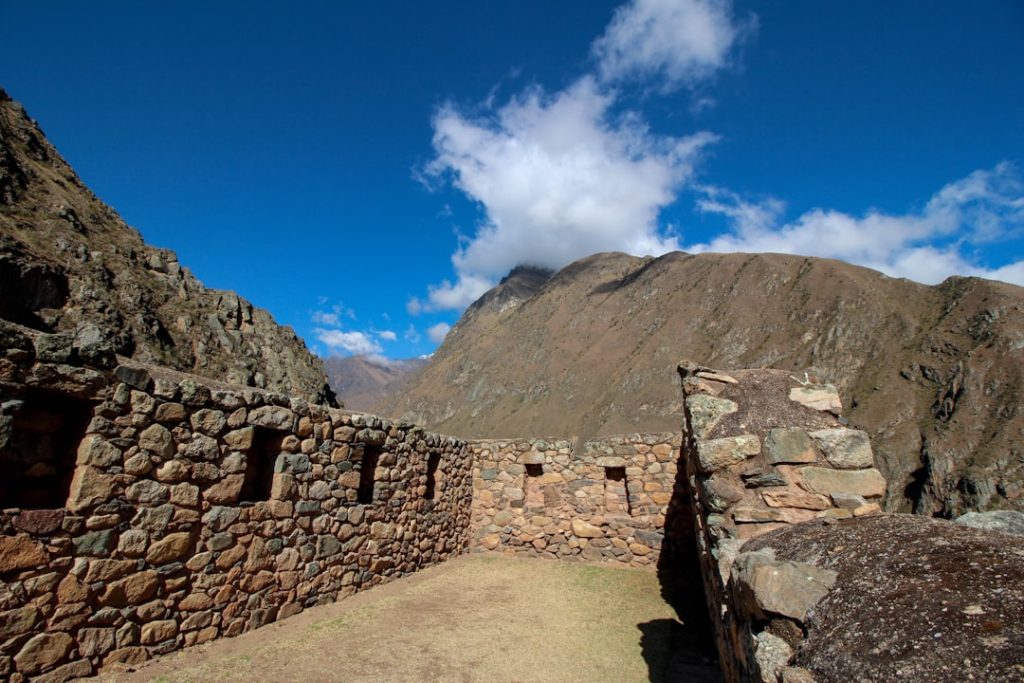
Among the many ancient traditions still resonating today, the Uncuymaza rituals—rooted in the high Andes—offer a fascinating look into how pre-Columbian spiritual practices continue to shape community life and personal identity. Blending myth, cosmology, agriculture, and healing, these rituals aren’t relics of the past; they are evolving ceremonies bridging the ancestral world with contemporary human experience.
TLDR (Too long, didn’t read)
The Uncuymaza rituals are ancient Andean ceremonies that continue to be practiced today, blending indigenous cosmology with modern needs. These rituals focus on harmony between humans, nature, and the spirit world. Far from being frozen in time, Uncuymaza rites are adapting to modern contexts such as environmental awareness and cultural preservation. Their continued relevance speaks volumes about the power of tradition in shaping modern society.
The Origins of Uncuymaza
The term Uncuymaza is derived from indigenous Quechua roots and loosely translates to “sacred turning” or “cycles of renewal.” Historically, these rituals were performed by communities in the high Andes of Peru, Bolivia, and Ecuador, passed down through oral traditions and tightly woven into agricultural and celestial cycles.
The primary aim was to maintain harmony between earth and cosmos. Tribes believed that the spiritual realm governed every aspect of life, from crop fertility and weather patterns to personal well-being. Uncuymaza rituals were both a form of gratitude and a way to influence future abundance.
Ritual Structure and Symbolism
Uncuymaza ceremonies are typically held during significant solar or lunar alignments, solstices, and equinoxes. At their core, the rituals include offerings known as despachos, dance, music, and the invocation of ancestral spirits.
- Despachos: Ceremonial packages filled with symbolic items like coca leaves, colorful threads, corn, and animal fat, representing thanks to Pachamama (Mother Earth) and the Apus (mountain spirits).
- Offering Fire: Central to many ceremonies is a communal fire where the despacho is burned. The smoke is believed to carry prayers to the upper world, or Hanan Pacha.
- Dances and Chants: Traditional music and movement are used to honor nature spirits and encourage participation from the entire community.
The rituals are symbolic microcosms, representing a balanced universe where every element—air, earth, water, and fire—is acknowledged and honored.
Modern-Day Relevance of Uncuymaza
Rather than disappearing into the folds of history, Uncuymaza has adapted itself to the pace and priorities of modern society. In urban centers like Cusco and La Paz, rituals are now part of cultural festivals, eco-tourism experiences, and spiritual retreats. This evolution illustrates how traditional knowledge systems remain highly relevant in addressing current global concerns.
Key Modern Adaptations Include:
- Environmental Advocacy: Uncuymaza rituals now underscore ecological responsibility, advocating for sustainable lifestyles by personifying Earth as a living entity.
- Mental Health and Healing: Many view these rituals as therapeutic tools, offering psychological relief through communal sharing, reflection, and symbolic cleansing.
- Cultural Identity: Younger generations, often raised in increasingly globalized cultures, participate in Uncuymaza to reclaim indigenous identity and knowledge.
One compelling example comes from the youth-led initiative in Cochabamba, Bolivia, where a collective of artists and shamans co-host seasonal equinox ceremonies using both traditional Uncuymaza rites and modern artistic interpretations like projection mapping and digital storytelling.
Scientific Perspectives and Cross-Cultural Dialogue
Anthropologists, ecologists, and psychologists alike have expressed growing interest in the Uncuymaza framework as a holistic worldview that integrates mind, body, spirit, and nature. Scholars point out parallels between its tenets and several modern scientific concepts:
- Systems Thinking: Like modern ecosystem science, Uncuymaza emphasizes the interdependence of living things.
- Resilience Theory: Rituals help communities bounce back from hardship through shared identity and spiritual renewal.
- Mindfulness Practices: The reflective and slow-paced nature of Uncuymaza aligns with modern mental health strategies centered around presence and gratitude.
Interestingly, Uncuymaza also lends itself well to interfaith dialogue. Elements of the ritual—ceremonial burning, sacred spaces, prayer circles—mirror practices found in Celtic, Hindu, and even Christian traditions.
Challenges to Preservation
Despite their vibrancy, Uncuymaza rituals face multiple threats:
- Urban Migration: As younger generations move to cities for education and work, rural traditions are harder to sustain.
- Commodification: The increasing popularity of “shaman-for-hire” tourists experiences risks diluting the sacred, transforming rites into performances stripped of context.
- Legal Restrictions: Some herbs, such as coca leaves, essential to the rituals face legal scrutiny in global markets.
Efforts are underway to counter these challenges. Local schools are incorporating indigenous history and language in their curriculum, and community leaders are working closely with cultural ministries to ensure ethical representation of the rituals.

Personal Testimonies and Emotional Impact
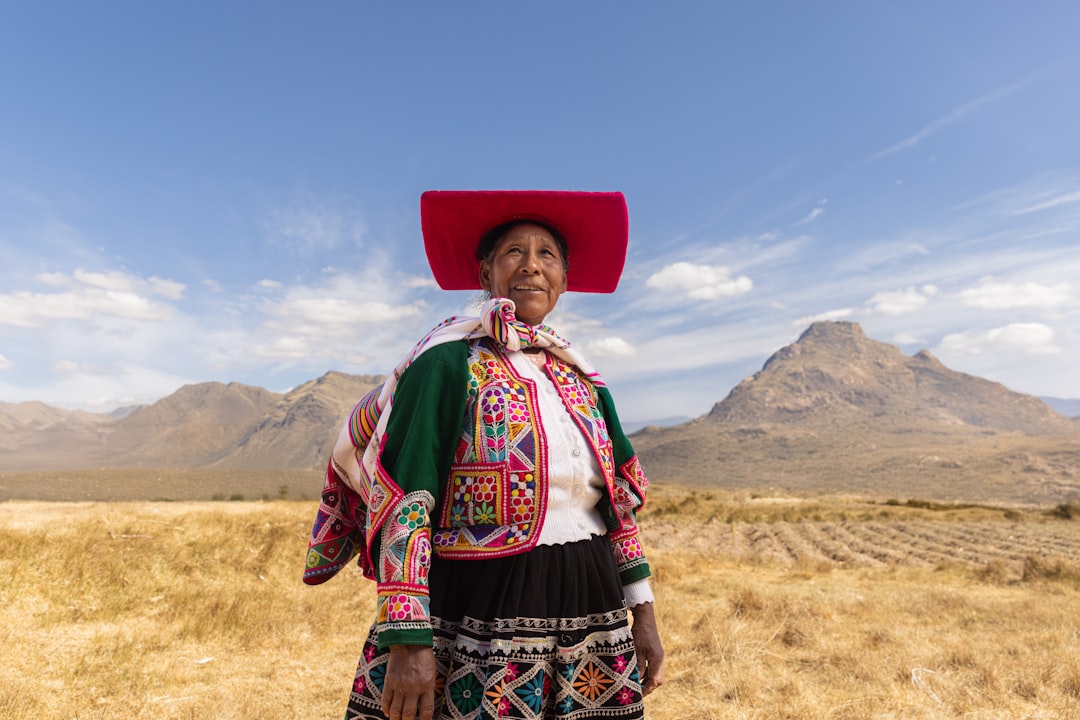
Personal stories bring another layer of richness to understanding Uncuymaza. Take the testimony of Nayra, a 34-year-old textile artist in Arequipa, who returned to her native village to participate in the winter solstice ceremony. “I hadn’t cried in years,” she says. “But when I laid down my coca leaves on the despacho and saw my grandmother’s eyes, I felt like I’d returned to the beginning of my story.”
Such moments reveal the emotional power of rituals not simply as acts of tradition but as profound invitations to reconnect—with one’s ancestry, community, and the cosmos itself.
The Future of Uncuymaza
The fate of the Uncuymaza rituals rests in the hands of a global community. From academic inquiries to artistic revivals, from climate change activism to spiritual healing, these powerful ceremonies offer a blueprint for living that respects all realms of existence—past, present, and future.
Ways to Support and Learn More:
- Participate respectfully in cultural workshops or guided ceremonies led by indigenous practitioners.
- Support organizations working for Andean cultural preservation.
- Educate yourself about interconnected indigenous spiritual practices across Latin America.
Conclusion
Far from being mere artifacts, the Uncuymaza rituals are living, breathing traditions that have defied erasure and irrelevance. They remind us of the power in grounding ourselves in natural cycles, the sacredness of community, and the wisdom of honoring unseen forces. In today’s fractured, fast-paced world, Uncuymaza offers a much-needed bridge between the old and the new, the mystical and the material, the earth and the stars.