


In the ever-illuminated modern world, one French photographer has turned a critical eye—and a camera lens—toward the silent glowing epidemic affecting our cities: light pollution. Using urban landscapes as his canvas and darkness as his collaborator, this artist captures hauntingly beautiful images of cities bathed solely in artificial light, raising questions about our relationship with night, nature, and the built environment.
TL;DR:
This article explores the work of a French photographer who documents cities illuminated only by artificial light to highlight the growing issue of light pollution. His work portrays urban landscapes in eerie, dramatic ways that blur the line between realism and surrealism. By capturing how excessive light reshapes our nocturnal spaces, the photographer offers a stark commentary on environmental impact through art. The photographs challenge viewers to reevaluate their nighttime surroundings and consider the consequences of constant illumination.
The Vision Behind the Lens
The unnamed French photographer, often referred to in art circles simply by his signature initials, has dedicated his recent work to documenting urban environments devoid of natural darkness. His primary goal is not merely to produce aesthetically compelling images, but to make viewers contemplate the unseen costs of 24/7 brightness—a side effect of technological progression few people stop to evaluate.
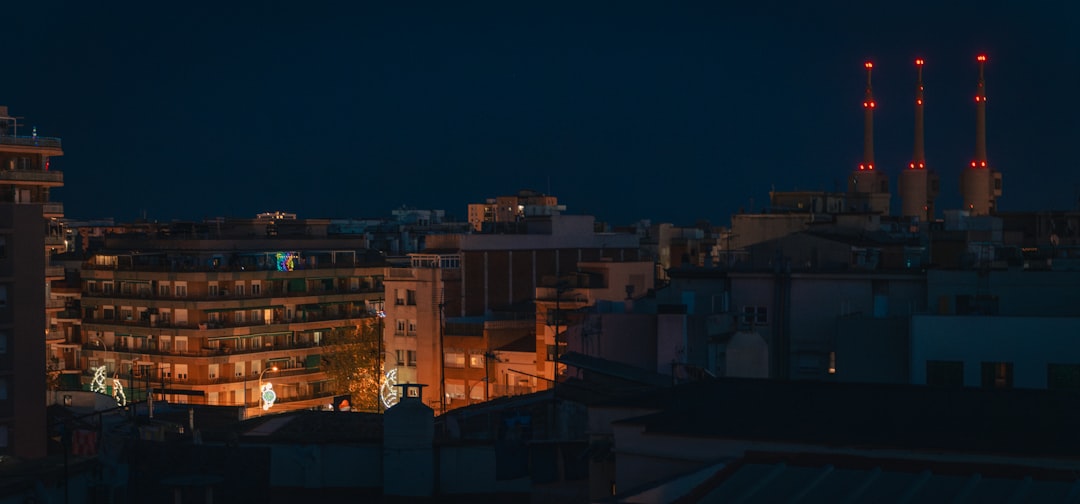
He travels to major metropolises—Paris, Lyon, Marseille, and even international cities—capturing them during the late hours when most activity dies down but the lights remain ever vigilant. The result is a photographic body of work that presents a surreal yet accurate depiction of what cities look like under constant man-made light.

Painting with Artificial Light
Using long exposure techniques and sophisticated digital editing, the photographer enhances the illuminated sections of buildings, streets, and skylines while allowing the shadows to fall deeper into obscurity. This stylistic manipulation emphasizes the contrast between light and darkness, presenting a fractured world where natural rhythm is replaced by neon and sodium vapor glows.
His approach has sometimes been compared to chiaroscuro in painting, where dramatic contrasts between light and dark are used to create a stronger visual impact. However, unlike traditional artists who control the light source, he works with what’s already there—streetlights, billboards, signage, and industrial lighting. The city becomes both subject and medium.
Raising Awareness Through Aesthetics
Beyond their visual brilliance, his photos serve as a potent environmental critique. Light pollution, while often overlooked in public discourse, has legitimate impacts on ecosystems, human health, and energy consumption. What this photographer does artistically is elevate the issue to a level of cultural consciousness, encouraging viewers to ask questions such as:
- Why do our skylines never go dark?
- What are we sacrificing in our quest for perpetual visibility?
- Is there beauty even in this loss of night?
Many environmentalists have praised his work, citing it as a unique tool to communicate the urgency surrounding light pollution. Unlike statistics or graphs, his photos allow people to see the issue—making it real, emotional, and pressing.
Unique Locations and Iconic Images
Among his most striking images are those taken atop rooftops in Paris, where the Eiffel Tower acts as both beacon and symbol of over-illumination. Another powerful series, captured in the outskirts of Marseille, contrasts the intense brightness of warehouse zones with the dim outline of nearby mountain ranges.
Each image in his collection tells a story about urban dependency on light, but also about the absence of stars, shadows, and the once-sacred experience of night. As cities compete to be brighter, his work provides a much-needed counterpoint, encouraging us to reflect on what we leave behind when darkness disappears.

Technical Excellence and Artistic Methodology
The photographer employs highly specialized gear, including full-frame sensors capable of capturing high dynamic range (HDR) and low-light details. He also makes use of drones to gain perspectives otherwise inaccessible, allowing him to document cityscapes from unique angles. His post-production process typically takes weeks per image, as he adjusts hues, rebalances exposure, and layers multiple shots for optimum effect.
While some purists criticize the heavy editing of his work, others argue that the manipulation mirrors the way cities distort natural rhythms. In this sense, the edited images are more than just photographs—they are layered truths, as intricate and artificial as the cities they portray.
A Broader Artistic Movement
This French photographer is not alone in his endeavor. A growing number of visual artists, filmmakers, and writers are addressing the issue of light pollution from various angles. Still, his work stands out in its poetic yet urgent tone, balancing aesthetic beauty with environmental gravity.
In interviews, he’s expressed a desire that future generations will once again be able to look up and see a star-lit sky, something he describes as a basic human right. His photographs, therefore, are not just commentary, but also a plea—a call to consider the consequences of ignoring our over-illuminated world.
Future Projects and Legacy
Currently, the photographer is working on a new series focused on smaller towns and rural areas undergoing rapid urbanization. His goal is to document how these once-dark communities are transitioning into artificial luminosity zones, often losing their cultural identity in the process.
As his influence grows, museums and galleries worldwide are beginning to showcase his work. A recent solo exhibition in Berlin featured over 40 prints, each accompanied by soundscapes recorded on-site—ambient noises of flickering lamps, humming power lines, distant sirens. The idea was to offer an immersive experience, letting the audience step into these almost-dystopian realities.
Conclusion
Through his lens, this French photographer draws attention to a largely invisible crisis. His work reminds us that night was once a space for mystery, introspection, and rest—a space now colonized by relentless brightness. By transforming light pollution into art, he reclaims the night and invites others to follow.
Frequently Asked Questions (FAQ)
-
Q: Who is the French photographer mentioned in this article?
A: While he remains somewhat anonymous, publishing under initials only, he is gaining recognition across Europe for his work on urban light pollution. -
Q: What does he aim to achieve with his photography?
A: His goal is to raise awareness about light pollution while offering a unique artistic perspective on modern urban life. -
Q: Are the images digitally manipulated?
A: Yes, to an extent. The photographer uses multiple exposures and editing techniques to highlight the pervasiveness of artificial light. -
Q: Where can I see his work?
A: His photographs have been exhibited in galleries across France, Germany, and online platforms focused on environmental art. -
Q: How does his work contribute to environmental awareness?
A: By turning the abstract issue of light pollution into a visual narrative, he helps connect people emotionally with the problem.