
Every time you tap a button, see a loading message, or sign into an app, there’s invisible magic at work. That magic? It’s called UX copywriting. With just a few words, a UX copywriter guides you, makes you feel calm, and nudges you in the right direction.
TL;DR
UX copywriters create short, helpful text to guide users in digital products. They write things like buttons, error messages, and tooltips. Their words reduce confusion and make users feel confident. Basically, they make digital stuff feel human.
So… What Exactly Is Microcopy?
It’s the tiny text you usually don’t notice—until it’s done wrong. Microcopy is:
- Form field instructions (“Enter your email”)
- Error messages (“Oops! That password doesn’t match”)
- Button labels (“Try again”)
- Tooltips and hints (“You can undo changes anytime”)
- Confirmation messages (“Payment successful!”)
Micro doesn’t mean unimportant. These small bits of copy can make or break the user experience.
Why UX Copywriting Matters
Let’s say you’re filling out a form. You don’t know if your password is too weak. You tap “Submit” and nothing happens. Frustrating, right?
A UX copywriter would solve this with a helpful tip like: “Try a longer password with a number and symbol.”
They reduce confusion, ease frustration, and create smooth journeys through apps, websites, and more.

Personality in a Few Words
Good microcopy isn’t robotic. It’s friendly, human, and sounds like someone you’d chat with. It should match the brand’s voice and make users feel comfortable.
For example, instead of “404 Error – Page Not Found”, a brand might say:
- “Uh-oh! We lost the page. Let’s get you back on track.”
- “Looks like this link went on vacation.”
Small phrases, big personality!
What Do UX Copywriters Actually Do?
They work with designers, developers, product managers, and researchers. They help shape how features are presented—and how they talk to users.
Tasks might include:
- Writing button labels and navigation copy
- Crafting error and success messages
- Creating onboarding flows
- Designing help tips and empty states
- Planning what users see before and after an action
It’s not just about being clever. It’s about being clear and helpful.
What Makes Great UX Copy?
There are no golden rules but… okay, there kind of are. Great microcopy shares a few key traits:
- Clear: No jargon. No fluff. Just plain talk.
- Helpful: Tells people what to do next.
- Brief: Fast to read, easy to scan.
- Friendly: Sounds like a human, not a robot.
- Relevant: Appears at the right time and place.
It’s a small space with a big responsibility.
Examples That Shine
Let’s look at a few situations where copy can shape the experience:
1. Signup Form
Boring: “Username error.”
Better: “That username’s taken. Try another one?”
2. Loading Screen
Simple: “Loading…”
More fun: “We’re getting things ready for you!”
3. Empty State
Bland: “No files here.”
Helpful: “You haven’t uploaded anything yet. Click ‘Add’ to get started.”
It’s the difference between feeling lost and feeling guided.
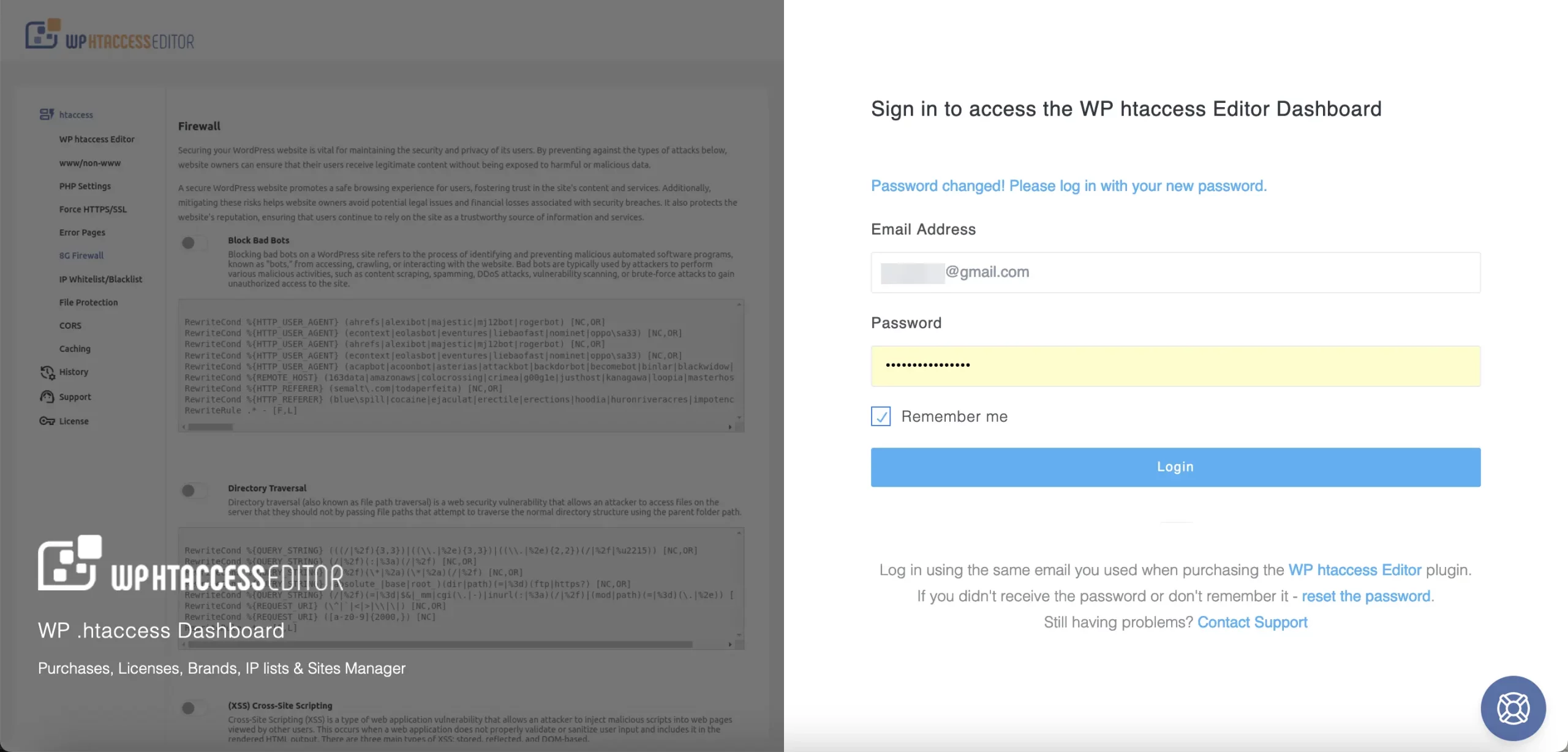
Tools of the Trade
UX copywriters don’t just write in Google Docs. They often work directly in design tools like:
- Figma: For writing right inside mockups
- Notion: For organizing messages and content inventory
- Miro: For brainstorming ideas with the team
- Content testing tools: Like Maze or UserTesting to gather feedback
They also rely on tone of voice guides and user personas. And snacks. Lots of snacks.
Getting Into UX Copywriting
Ready to give it a shot? Here’s how to get started:
- Study UX writing: Read blogs by pros like UX Writing Hub, Dropbox’s writing team, or Google UX.
- Practice: Rewrite error messages, forms, or app screens.
- Build a portfolio: Mock up fake apps or rewrite real ones for fun.
- Collaborate: Work with designers or developers on small projects.
- Get feedback: Share your microcopy with others and learn from critique.
You don’t need to be a novelist. You need to be a clear communicator who loves making things better.
Common Pitfalls to Avoid
Even experienced writers slip sometimes. Look out for:
- Over-cleverness: If people don’t get the joke, it’s not helpful.
- Too vague: “Something went wrong.” (Okay, but what?)
- Over-explaining: Don’t make users read a short essay.
- Ignoring context: Text must fit the action and moment.
The best microcopy disappears into the experience. Users shouldn’t stop to question it—they should just smile and move on.
Why You Should Thank a UX Copywriter
The next time you tap a “Retry” button, notice how calm and kind that message feels. Or when your payment fails, there’s a gentle message telling you exactly what to do. That’s not an accident. That’s UX copywriting magic.
They don’t just write words. They reduce friction, build trust, and help people get stuff done.
In Summary…
Microcopy might be small, but it’s mighty. A UX copywriter gives apps and websites a voice. They help users feel confident, informed, and even a bit delighted.
So next time you’re designing a product, don’t forget the words. Invite a UX copywriter to the party!