
In today’s digital age, it’s nearly impossible to scroll through Instagram or TikTok without encountering a perfectly curated outfit, makeup tutorial, or lifestyle hack. Social media influencers have become tastemakers, commanding immense power over what people wear and how they present themselves. Whether showcasing street style from Paris or unboxing the latest shoe drop, influencers are redefining personal style for millions globally.
TL;DR
Social media influencers have a significant impact on personal style by shaping fashion trends, introducing new brands, and giving followers real-time inspiration. Their curated feeds and authentic content influence purchasing decisions and individual expression. While empowering, this influence can also contribute to a homogenization of style and heightened pressure to keep up. Overall, influencers have transformed how people discover and define their fashion identity.
The Rise of Social Media Influencers
The concept of influencers is not new—celebrities and style icons have long influenced public perception of fashion. However, social media has democratized this power. Today, anyone with a smartphone and a keen eye for aesthetics can build a following and become an influencer.
Platforms like Instagram, TikTok, and YouTube have enabled influencers to reach massive audiences, many of whom view them as more relatable than traditional celebrities. Unlike runway models or movie stars, influencers often share behind-the-scenes glimpses into their lives, creating a sense of intimacy and trust with their followers.
How Influencers Shape Personal Style
Influencers impact personal style in multiple ways:
- Trendsetting: Influencers often introduce emerging trends to their audience. A single viral TikTok video can catapult a micro-trend—like “coastal grandmother” or “Y2K fashion”—into mainstream consciousness.
- Brand Discovery: Partnering with both big fashion houses and small indie labels, influencers help users discover new brands they might not have encountered otherwise.
- Product Reviews: Their first-hand reviews offer a layer of authenticity, making consumers more likely to purchase items based on influencer recommendations.
- Style Tutorials: From layering tips to how to mix patterns, influencers offer practical advice that encourages experimentation and creativity in dressing.
The Appeal of Relatability and Aspirational Aesthetics
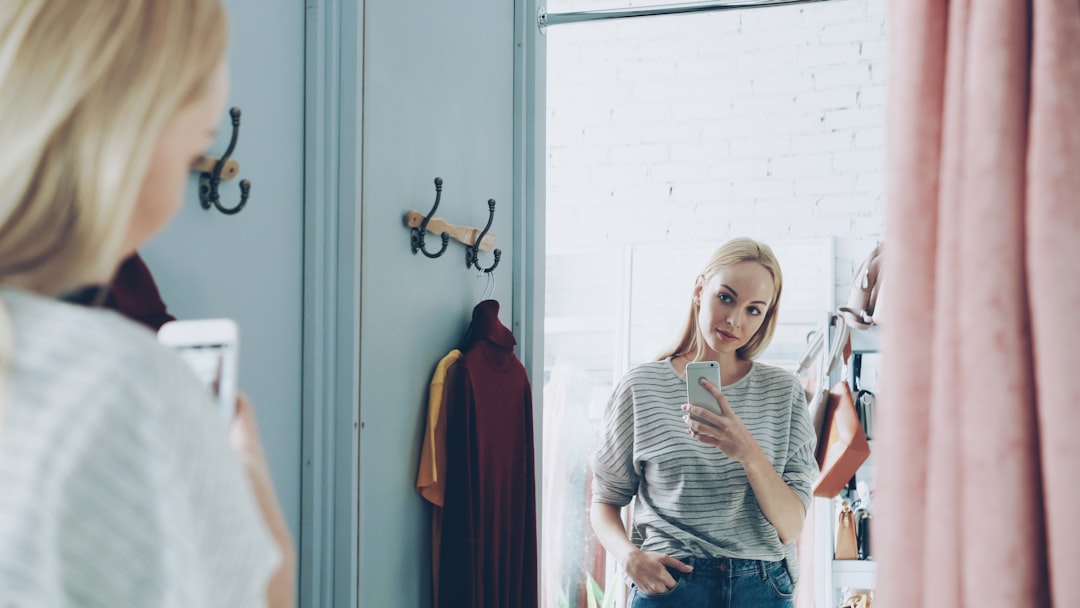
One of the unique powers of social media influencers is the ability to be both relatable and aspirational. They often live lifestyles that followers can identify with—balancing work, family, and daily routine—while still showcasing aspirational fashion moments.
This blend makes it easier for followers to envision themselves in similar outfits or adopting certain styles. Unlike traditional advertising, where models appear unattainably polished, influencers present a do-it-yourself version of glamour that feels accessible.
Micro vs. Macro Influencers
Not all influencers wield the same level of influence. There’s a growing distinction between macro and micro influencers:
- Macro influencers: Typically have hundreds of thousands to millions of followers. Their reach is broad, making them ideal for mass campaigns, but they might lack the intimacy smaller creators establish with their audience.
- Micro influencers: Generally have between 1,000 and 100,000 followers. They often enjoy higher engagement rates and greater trust from their followers, making them equally—if not more—impactful when it comes to personal style influence.
Both types play critical roles in shaping fashion narratives and behaviors, but micro influencers are increasingly celebrated for their niche content and perceived authenticity.
Algorithm-Driven Trends and Instant Influence
Unlike fashion magazines or seasonal runway collections, social media trends move at lightning speed, largely driven by what goes viral. Algorithms on platforms like TikTok and Instagram decide what gets pushed to the top—often dictating what millions see and adopt.
As a result, influencers can create overnight sensations. One clip featuring a thrifted jacket or a novel way to style jeans can cause those items to sell out almost instantly. Style is no longer just informed by big brands but by individual personalities and platform algorithms working together.
The Pros: Empowerment and Inclusivity
Despite critiques, the rise of influencer culture has undeniable positive effects on how people see themselves and express their style:
- Diversity: Influencers come from varied backgrounds, body types, cultures, and gender identities, opening up space for more representative fashion inspiration.
- Accessibility: Many influencers spotlight affordable or DIY looks, proving that great style isn’t limited to high-end wardrobes.
- Creative Expression: Social media empowers individuals to experiment, often mixing trends and cultural elements to form personalized aesthetics.
The Cons: Pressure and Homogenization
However, the influence of social media doesn’t come without drawbacks. The constant comparison to curated lives and outfits can fuel self-doubt and pressure to conform.
- Fast Consumption: Trends rise and fall so quickly that people feel compelled to continually update their wardrobes—often at the expense of sustainability.
- Style Uniformity: With many influencers endorsing similar trends, there’s a growing concern that personal style is becoming homogenized, with less emphasis on individuality.
- Mental Health Impact: The need to keep up with influencer-endorsed aesthetics can negatively affect self-esteem, especially for younger audiences.
Influencers as Curators and Creators
It’s important to acknowledge that many influencers view themselves not just as fashion plates but as curators of creativity. In editing visually consistent Instagram feeds or producing high-concept style videos, influencers blur the lines between fashion and art.
This creative angle is inspiring followers to do the same: mix high and low fashion, edit looks with personalized edits, and even launch their own brands. Style, under the influence of social media, becomes both communal and highly personal.
The Future: A More Mindful Approach?
As digital audiences become more informed, there’s a push for a more mindful and sustainable approach to personal style. Influencers who focus on ethical fashion, second-hand clothing hauls, or minimalist wardrobes are gaining traction.
It’s likely the future will see a shift from constant consumption to conscious styling. Instead of chasing the latest drop, followers may begin to value versatility, longevity, and the personal stories behind what they wear.
Conclusion
Social media influencers have undeniably revolutionized how we approach fashion and personal style. They offer a lens into new trends, provide styling confidence, and foster a global community interested in self-expression. However, with this influence comes the responsibility to promote authenticity and sustainability.
In a world overwhelmed with options, it’s empowering—and sometimes necessary—to pause and ask: is this style truly mine, or just a reflection of someone else’s digital perfection?